Smart Roof Drainage Choices And Exterior Trim Upgrades For Lasting Protection
Water management around a home is quite a job. When it fails, problems speak loudly. Stains appear. Paint bubbles. Wood softens without warning. Gutters, fascia, and soffits work together, not separately. Treating one while ignoring the others creates short-term fixes only. Homes need systems that function as a whole, not patch jobs that delay the same issues.
Roof Edges Do Real Work
Roof edges handle more stress than most people realise. Rain hits hard. Snow sits heavily. Wind pulls constantly. A properly planned mercier roof gutter system directs water smoothly while reducing pressure on fasteners and joints. Design matters here. It is not about size alone. Placement, slope, and attachment points decide how well water moves during real storms.

Fascia Takes The Load
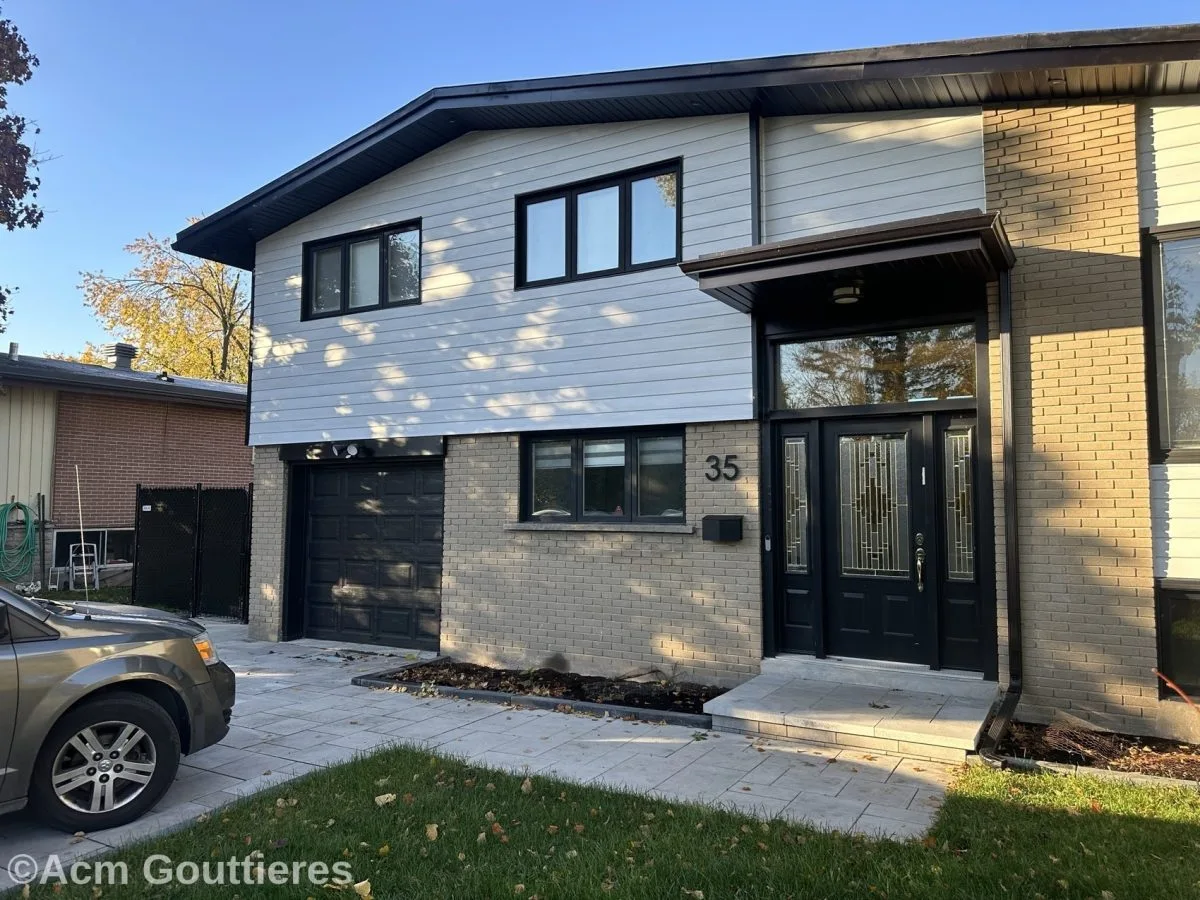
Fascia boards carry the gutter weight every day. When fascia weakens, gutters shift slowly. That movement creates gaps and leaks over time. Many homeowners overlook the fascia condition because damage hides behind gutters. During replacement of fascias and soffits, professionals check moisture patterns to understand why failure happened, not just replace boards unthinkingly.
Soffits Control Airflow
Soffits do more than close gaps. They manage ventilation. Proper airflow prevents moisture buildup in the inner roof cavities. Poor soffit layout traps humidity, which slowly damages timber and insulation. Replacement work must enhance airflow, no longer limit it. Vent spacing, cloth desire, and setup accuracy all influence long-term roof fitness.
Materials Affect Lifespan
Not all fascia materials age the same way. Wood looks traditional but needs care. Aluminium resists moisture but must be installed precisely. Vinyl offers flexibility but can warp in heat. Choosing materials should match the climate and roof structure. Mixing incompatible materials often leads to early failure and repeated maintenance costs.
Alignment Prevents Future Repairs
Gutters, fascia, and soffits must align cleanly. Poor alignment causes stress points that fail later. During installation, professionals adjust angles carefully so water moves without forcing seams apart. This alignment also improves appearance. Straight lines signal quality work even when viewed from the street.
Repairs Versus Full Replacement
Some homes need small fixes. Others benefit from full replacement. Cracked boards patched repeatedly often cost more in the long term. Professionals evaluate whether repair still makes sense structurally. Honest recommendations save money by avoiding repeated labour on failing components that will need replacement anyway.
Weather Exposure Matters
Sun exposure affects materials differently. South-facing edges age faster. Snow buildup stresses lower sections longer. Good planning considers these factors before installation. Adjustments in material thickness and fastening methods improve durability under local weather patterns.
Maintenance Keeps Systems Quiet
Even new installations need basic care. Clearing debris prevents unnecessary load. Visual checks after storms catch small issues early. Maintenance should feel simple. When systems are designed correctly, upkeep becomes minimal and predictable.
Conclusion
Exterior trim and drainage systems protect far more than roof edges. They safeguard structure, finishes, and interior spaces quietly over time. Choosing thoughtful design and quality installation prevents repeated issues and unnecessary repairs. The team at acmgouttieres.com/en/ strategies every undertaking with attention to structure, airflow, and lengthy-time period overall performance. If your property shows symptoms of growing older, trim, or drainage problems, professional assessment is the proper next step.


Comments
Post a Comment